


Approximately 15 minutes read
July 2020- November 2020
Project overview and goal
The purpose of the project to put local/ kiwi owned Transportation to the app and eventually roll out a countrywide payment gateway that acts as a one-stop-shop. Detailed project information can be found here.
My role and the wider team
I was leading the UX/UI side of things and the other members included two react developers, one prediction engine backend developer, QA tester, product manager and the project manager. This project had began in 2018 so extensive user research was done. My job was to leverage this research and translate them into outcomes.
Business Case
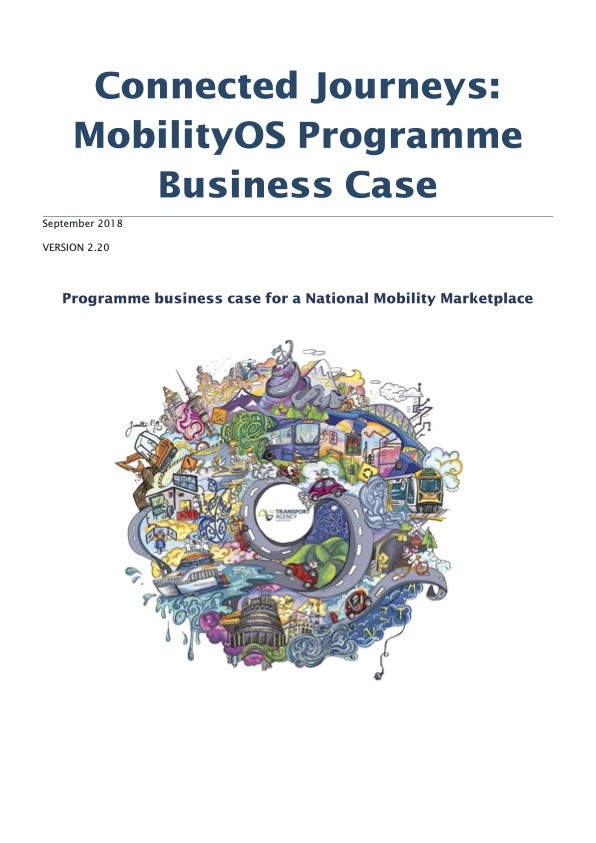
Mobility OS
Design Process
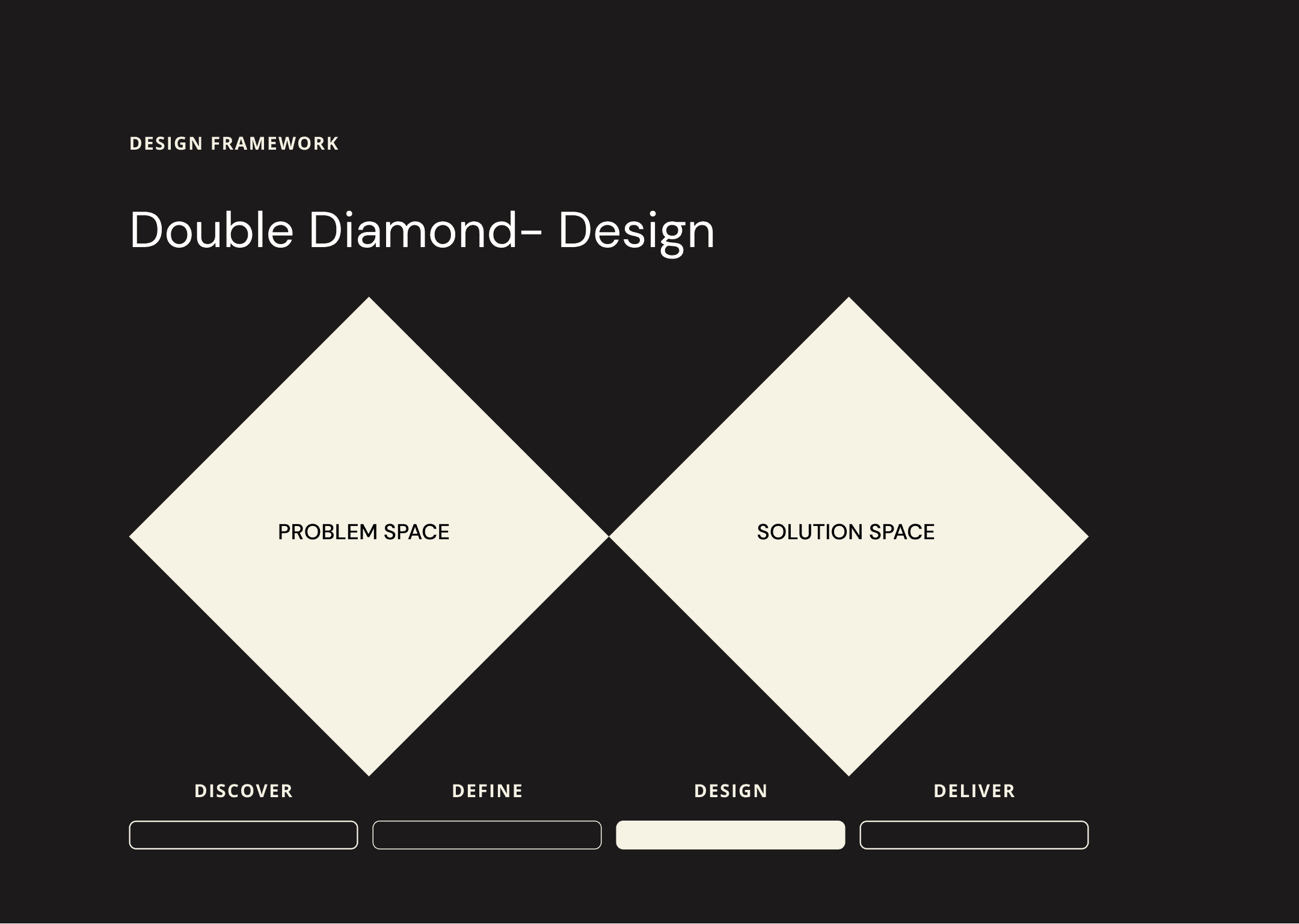
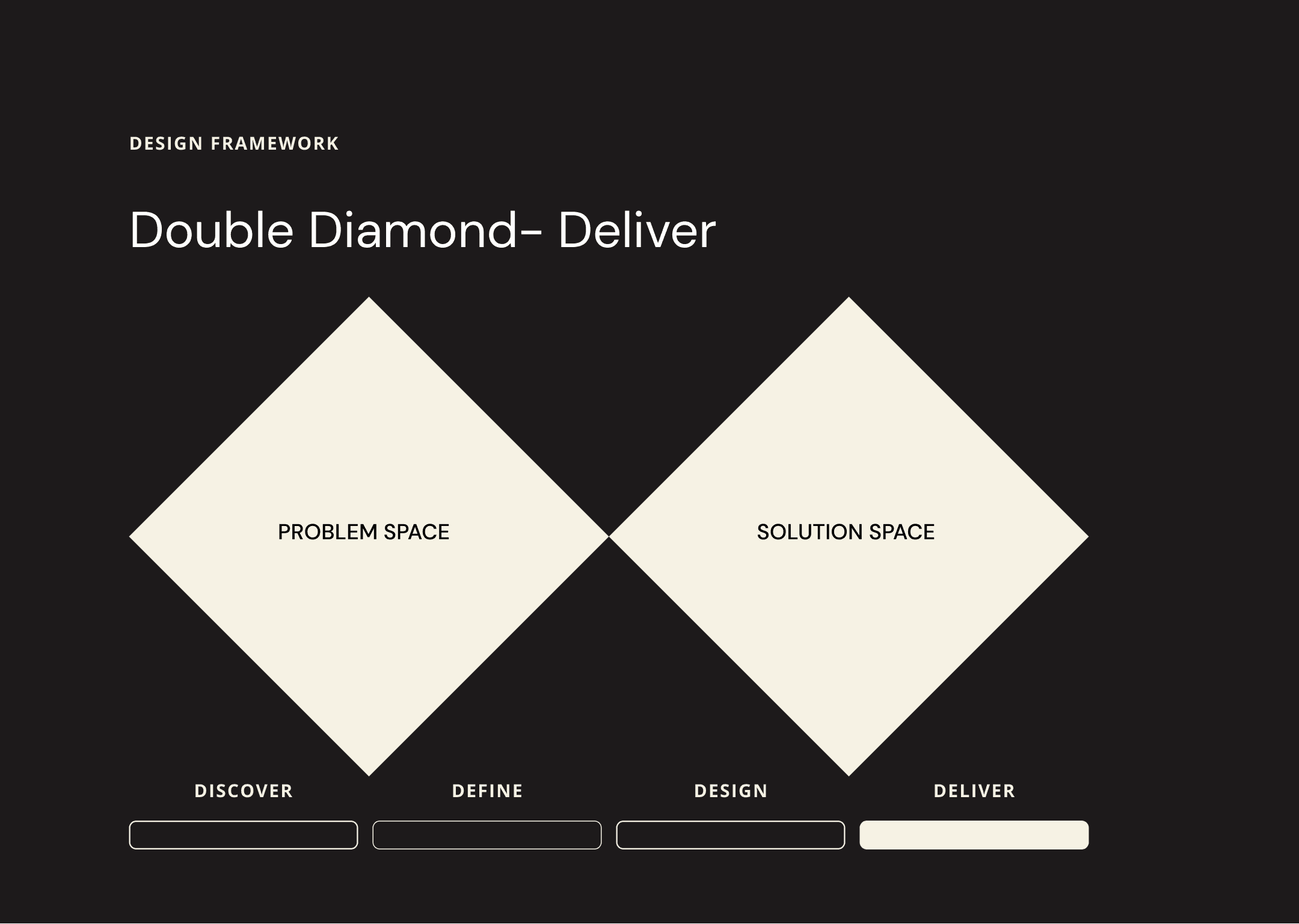
The agency adopted the agile working model to achieve our project goal. We followed the double diamond framework Discover, Define, Design and Deliver
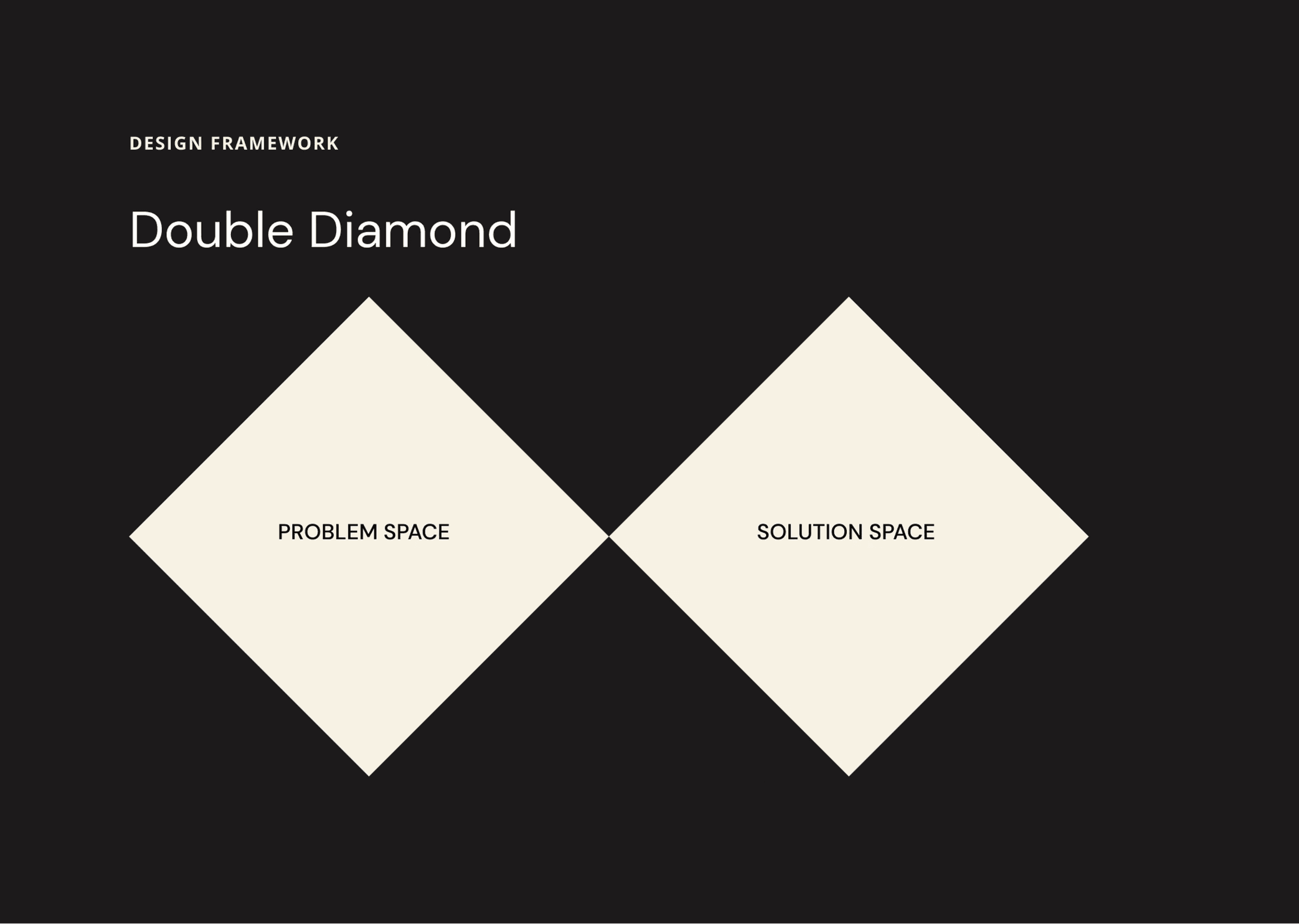
Double Diamond Process
Discovery phase

Discovery Phase
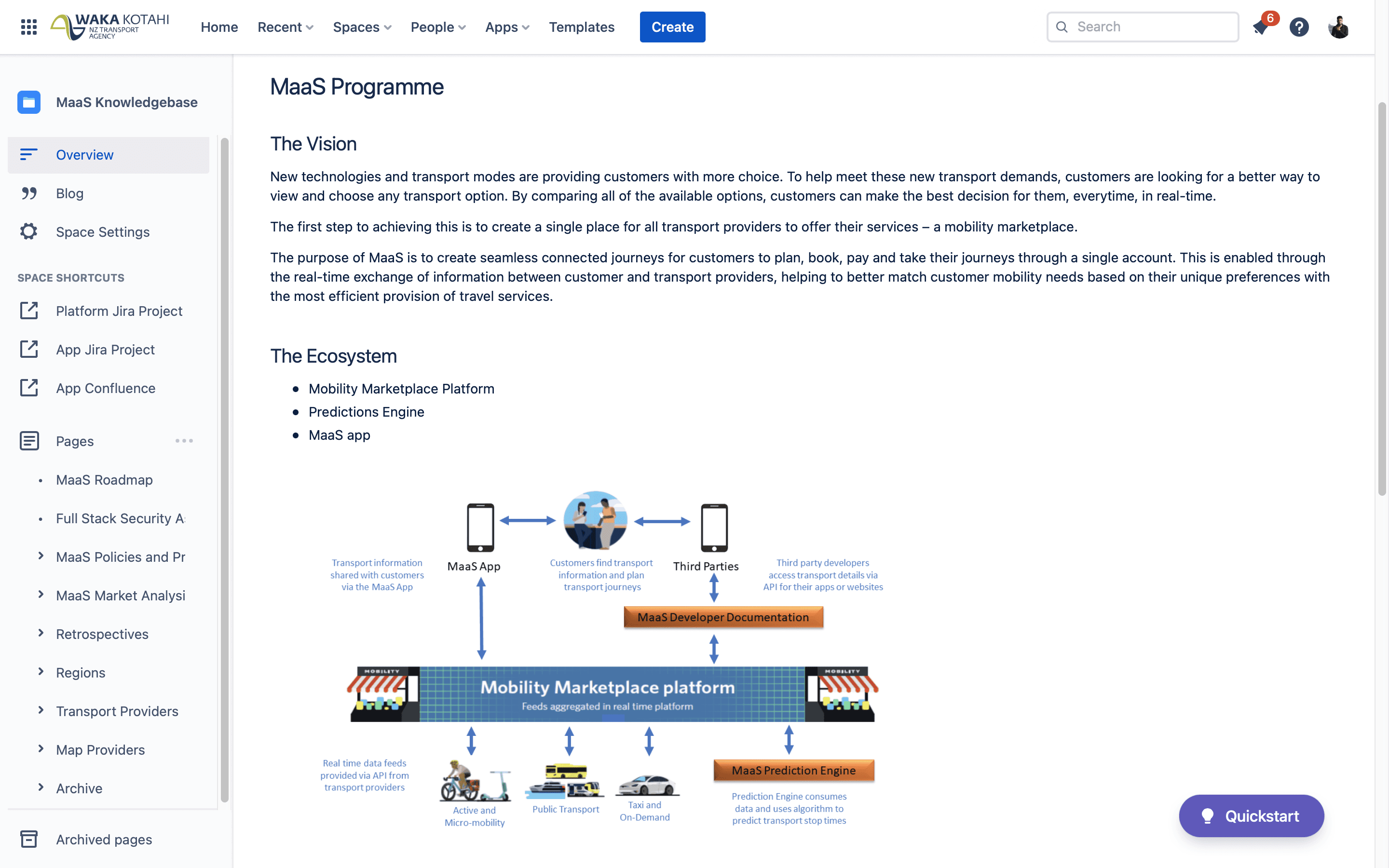
Mobility OS platform
Quantitative research
As this app was planned to roll out nationwide, it was more appropriate to use Quantitative approach to reach as many users as possible and seek feedback. We used the Askable platform to recruit the participants and outcome of the secondary research are as follows;
Purpose of the survey
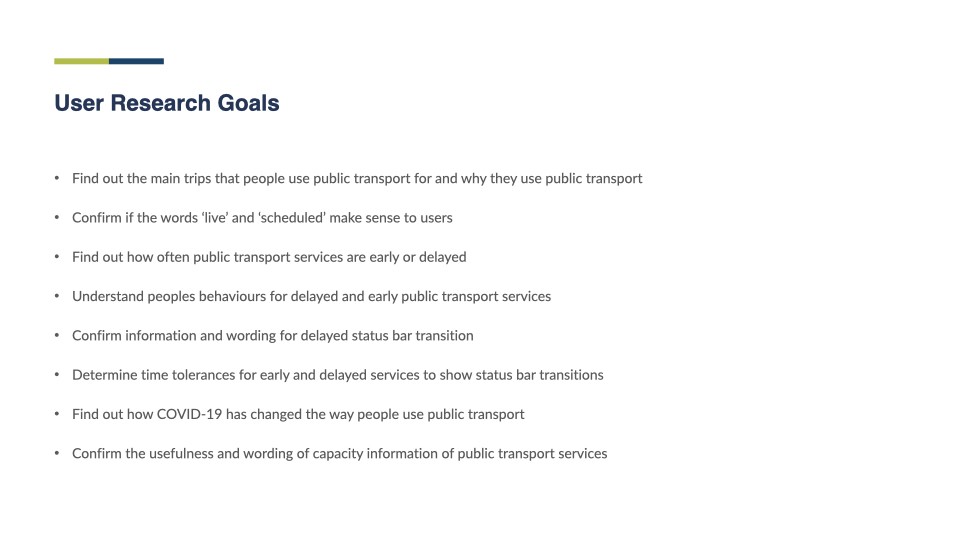
User research goals
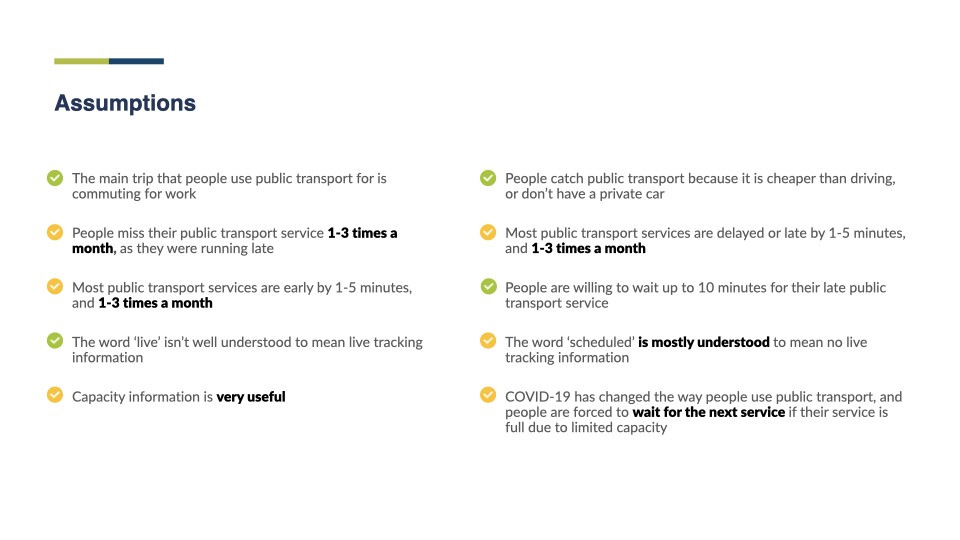
Validate Assumptions
Purpose of the survey
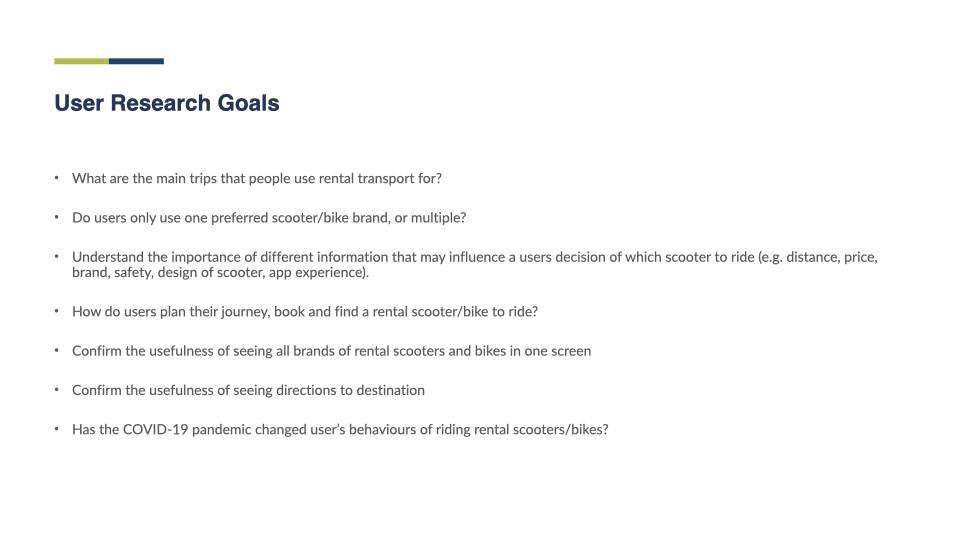
User Research goals
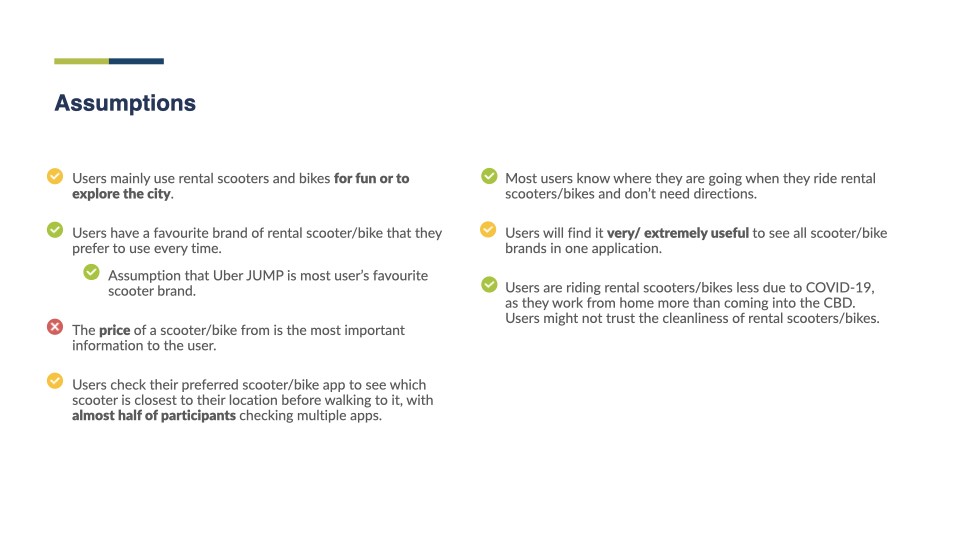
Validate the assumptions
Note: The detailed survey results and findings cannot be published due to privacy issues.
Define phase
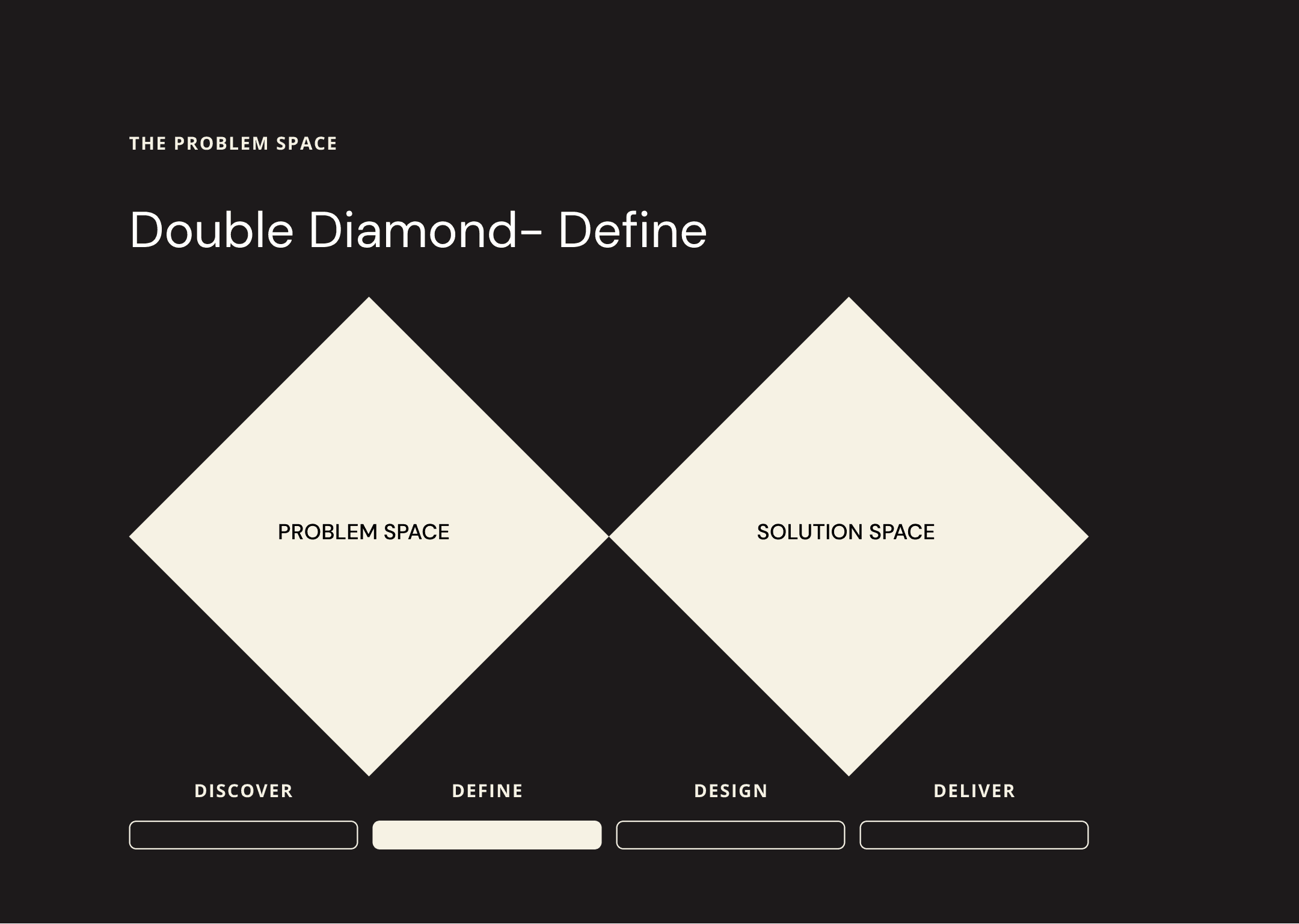
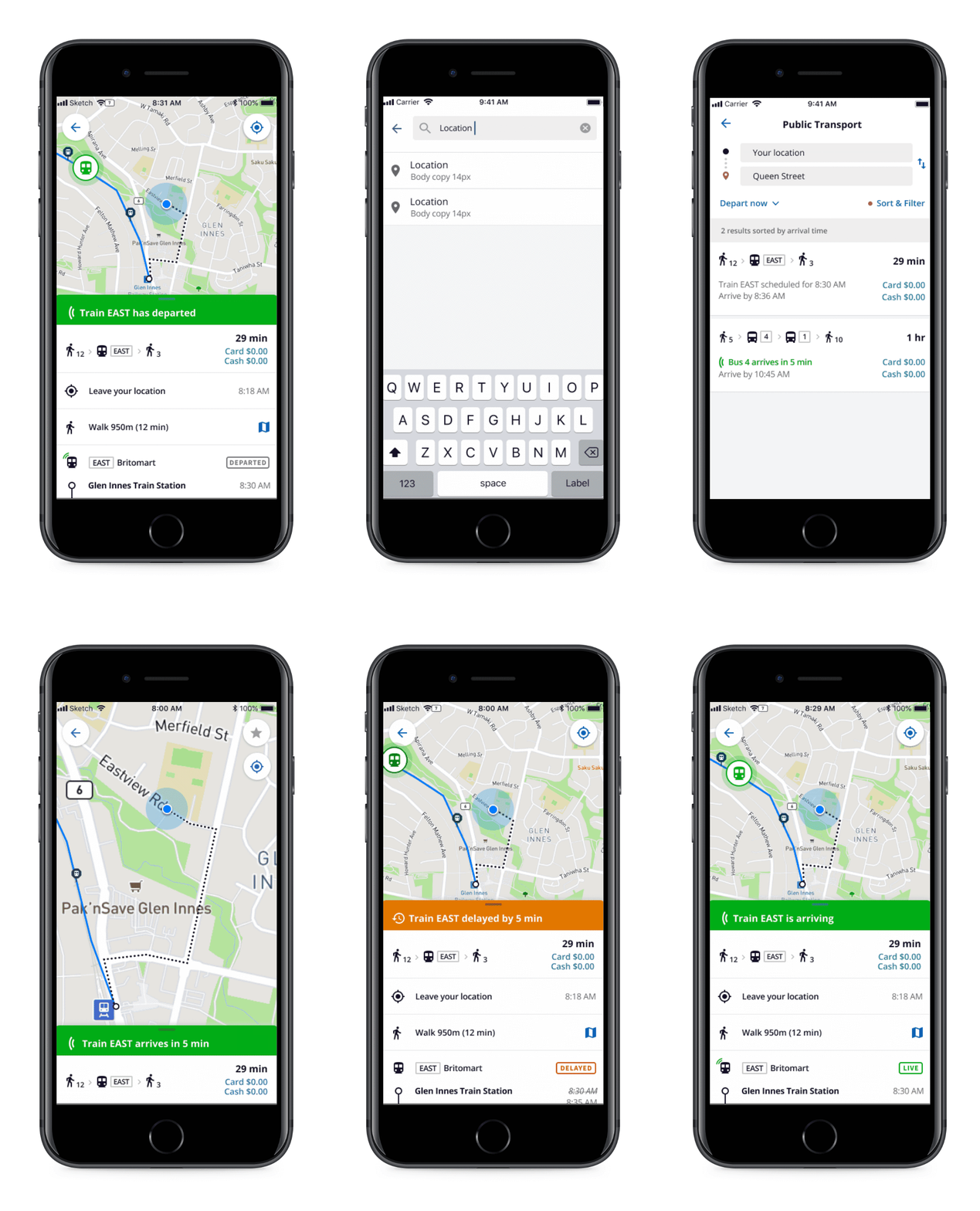
My role involved tackling multiple scenarios by creating logic charts for each scenarios for the public transport trips. The outcome allows the devs to create backend logic that the app needs.
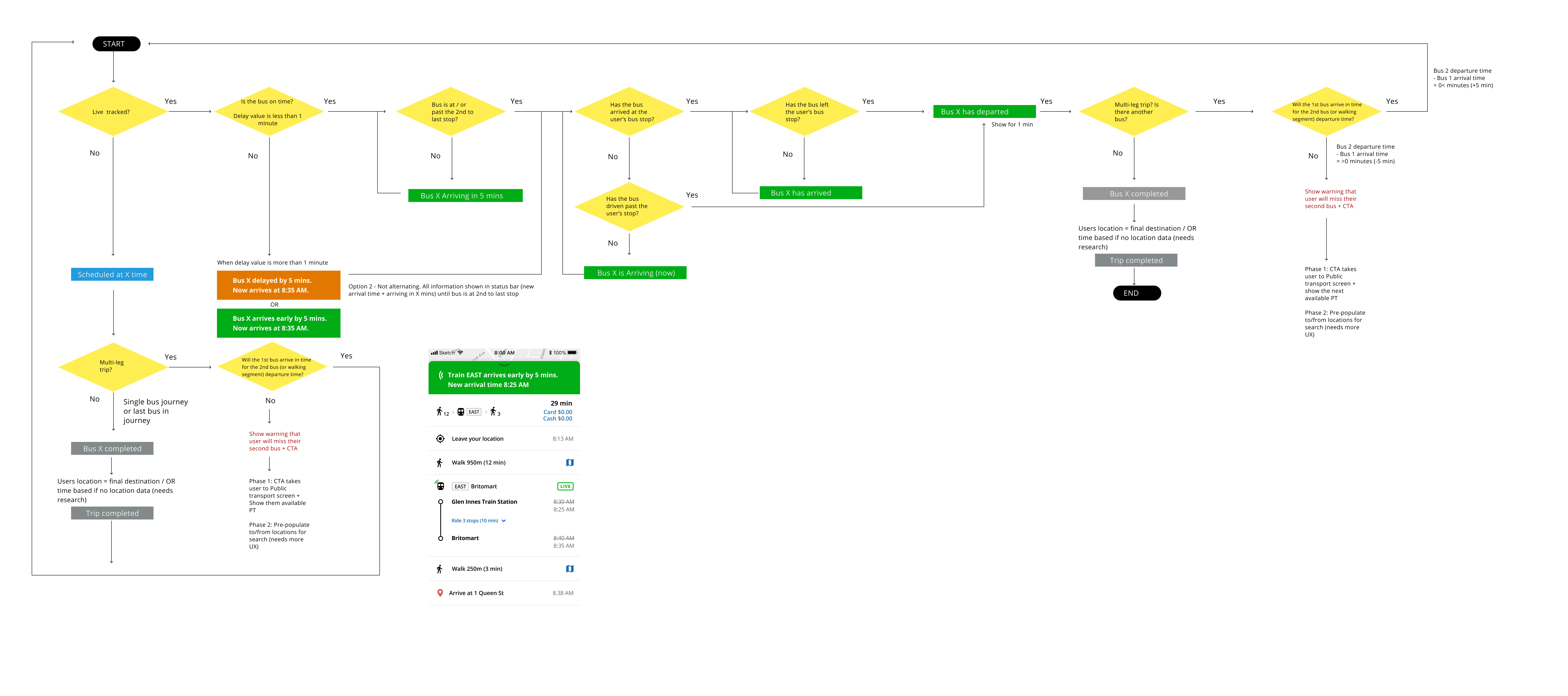
User flow if the public transport arrives early
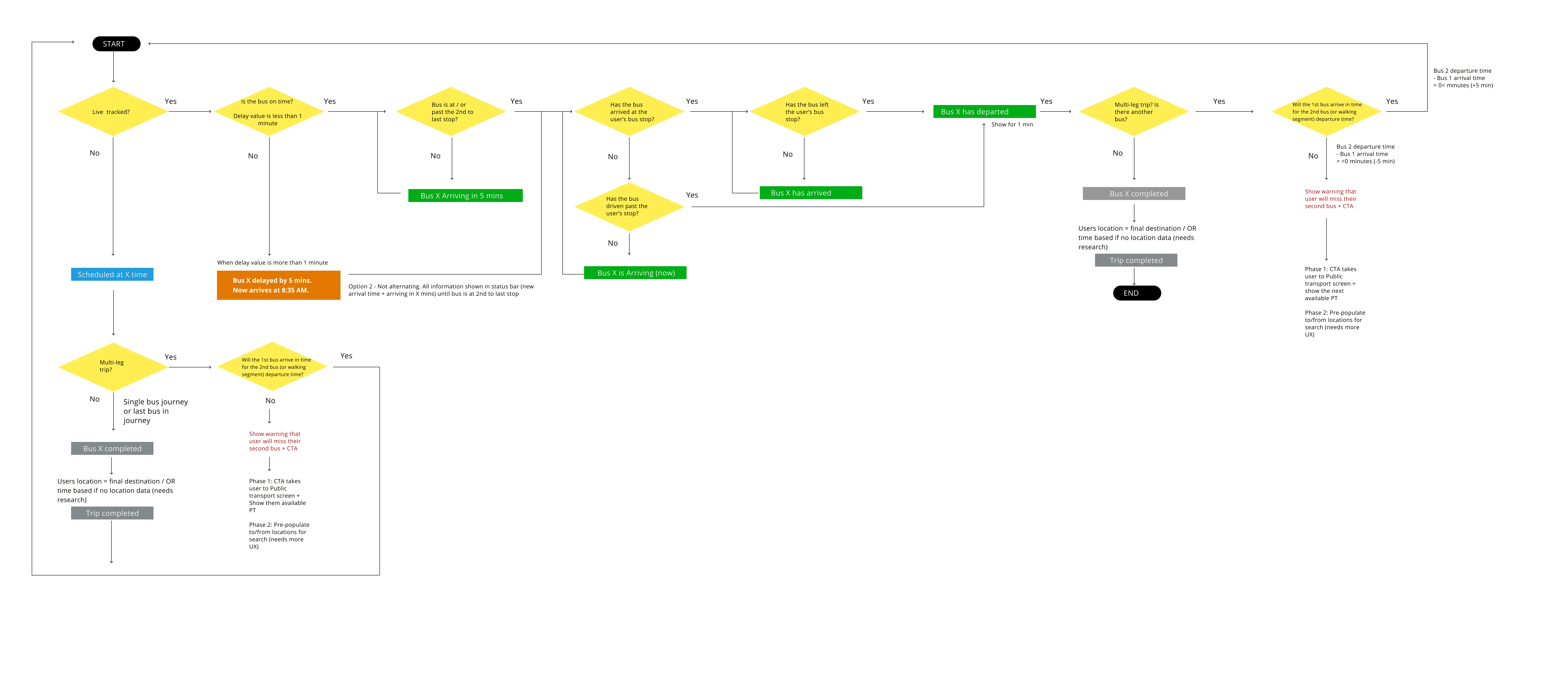
User flow if the public transport arrives late
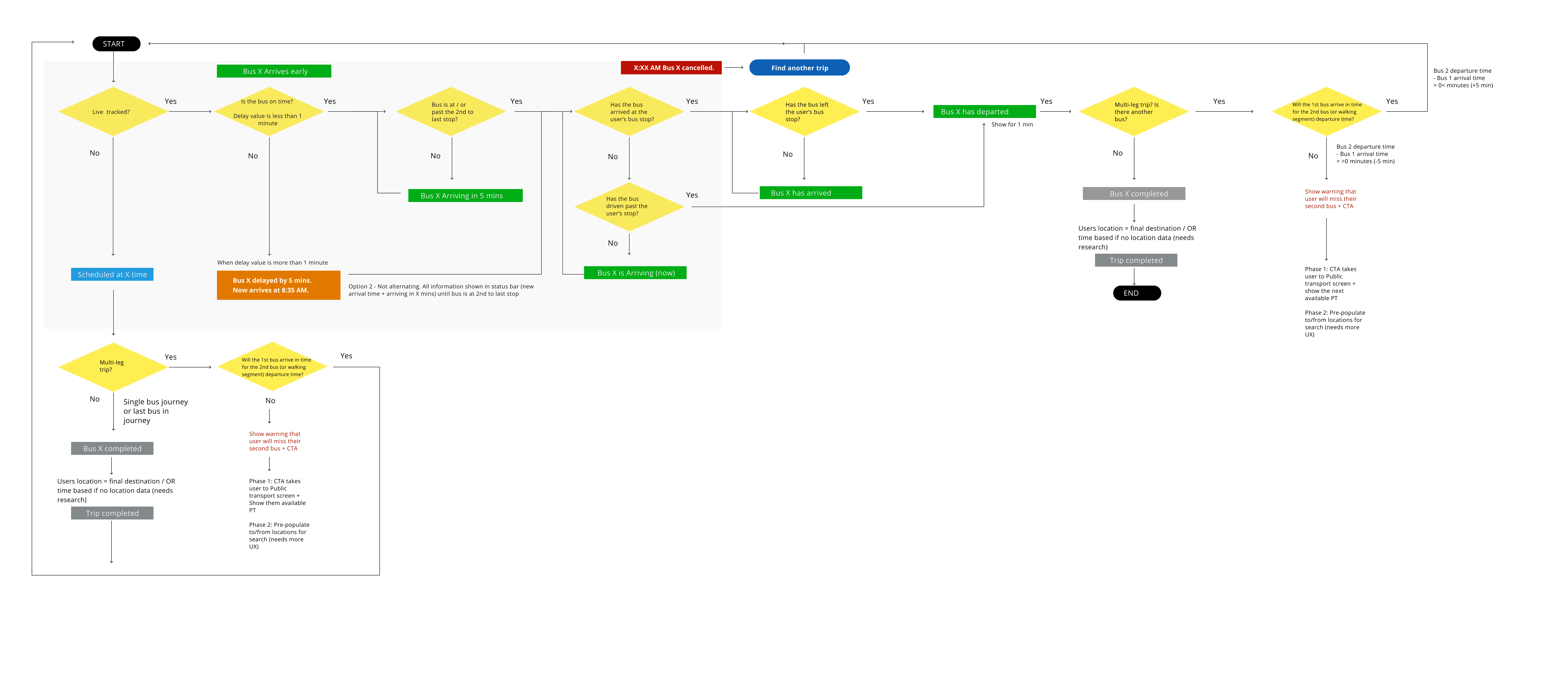
User flow if the public transport gets cancelled
Design phase
NZTA Design System
Working on the NIEMS software helped me set up NZTA's first design system. This was a collaborative effort shared between three designers. The design system was developed by following best practices from Google's material design whilst maintaining NZTA' brand guidelines.
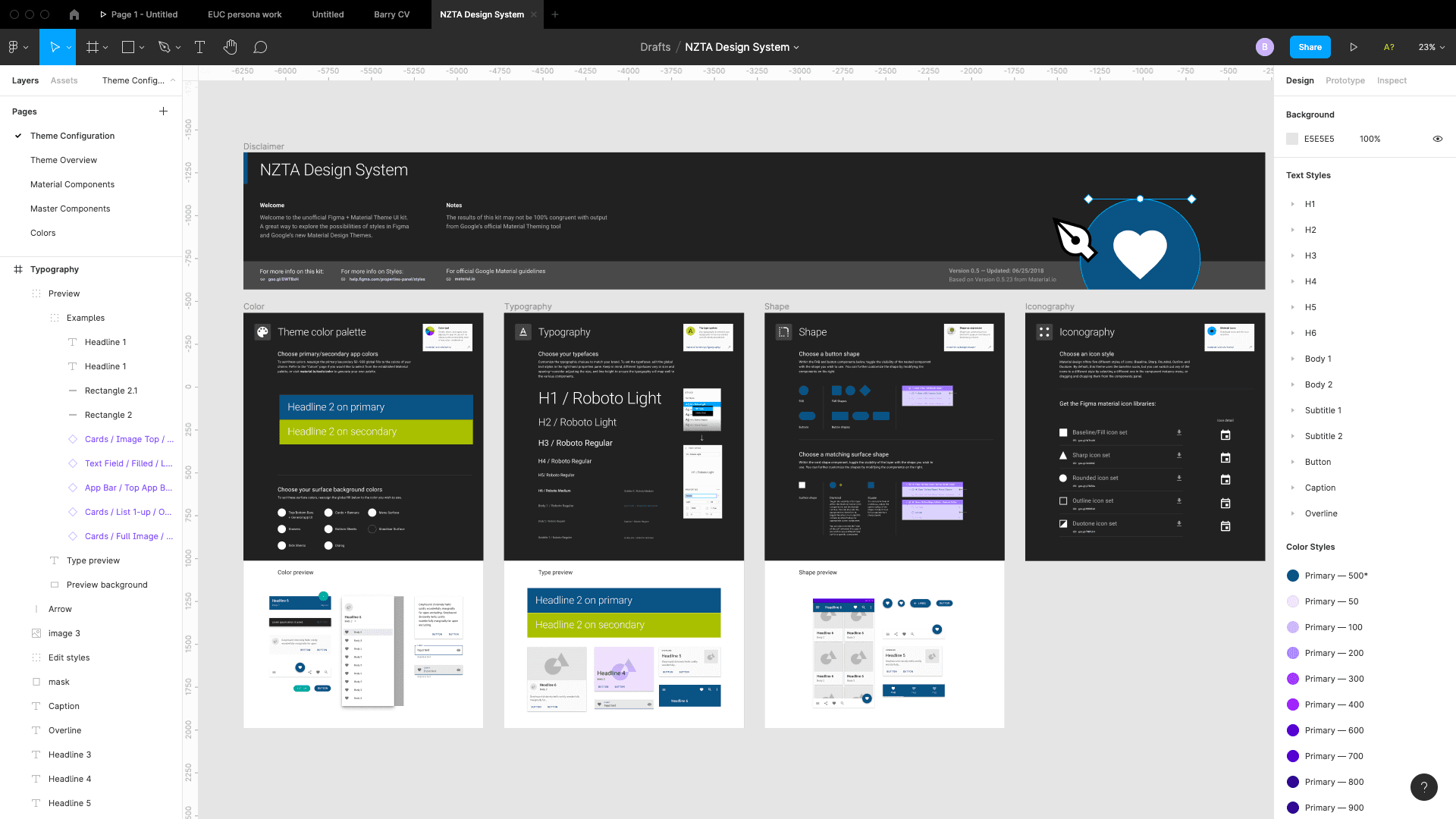
NZTA Design System
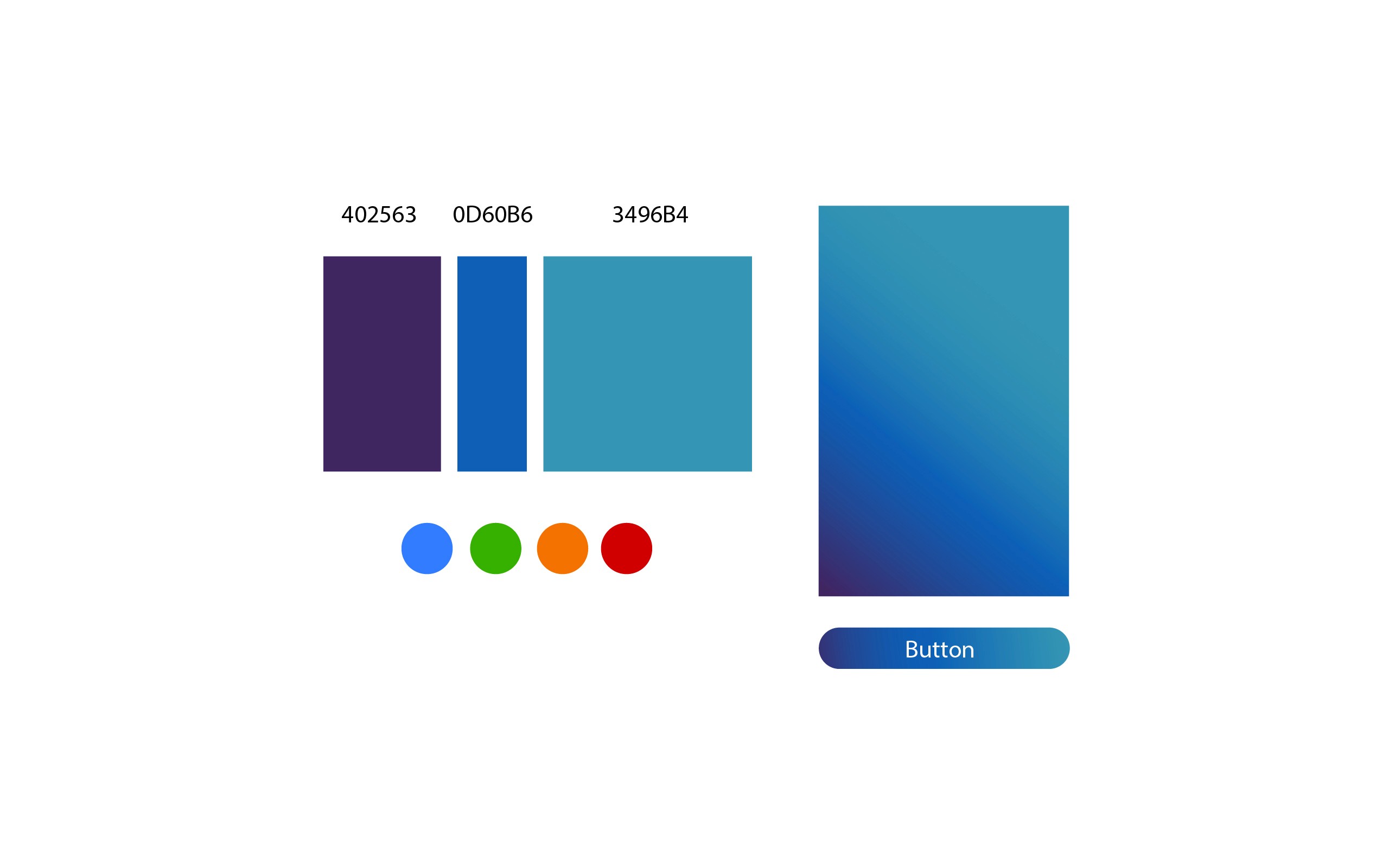
Brand colours
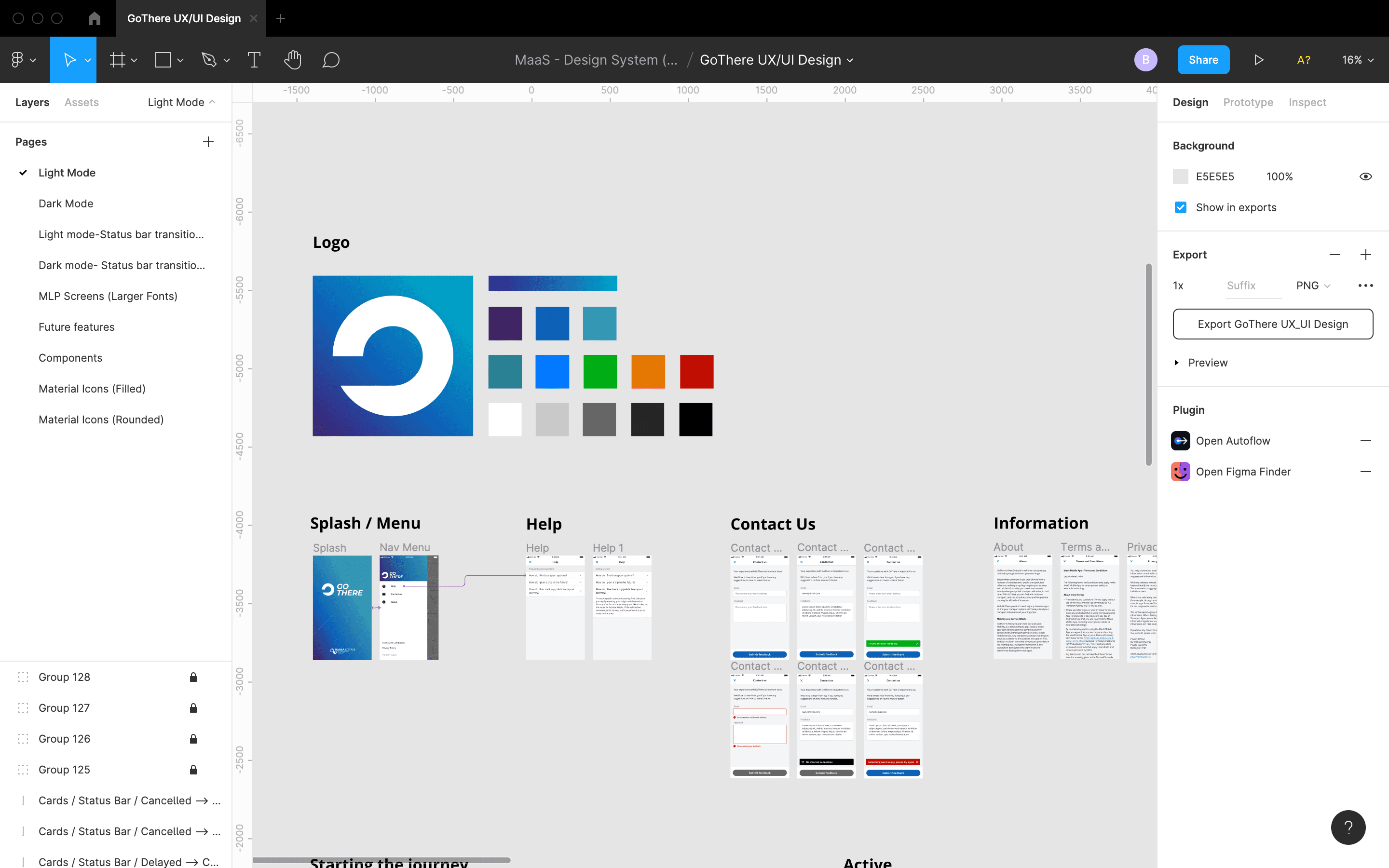
Light mode designs
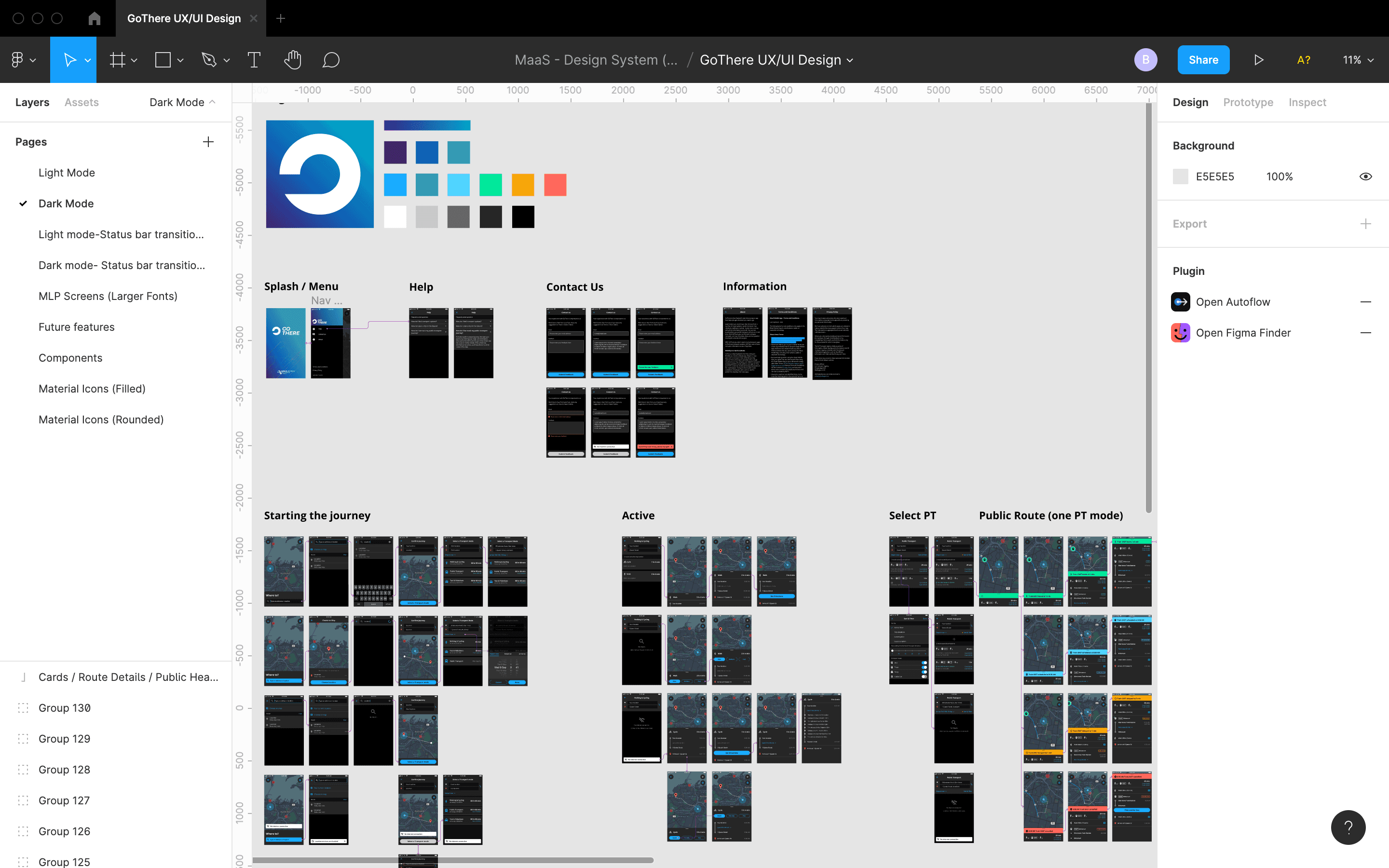
Dark mode designs
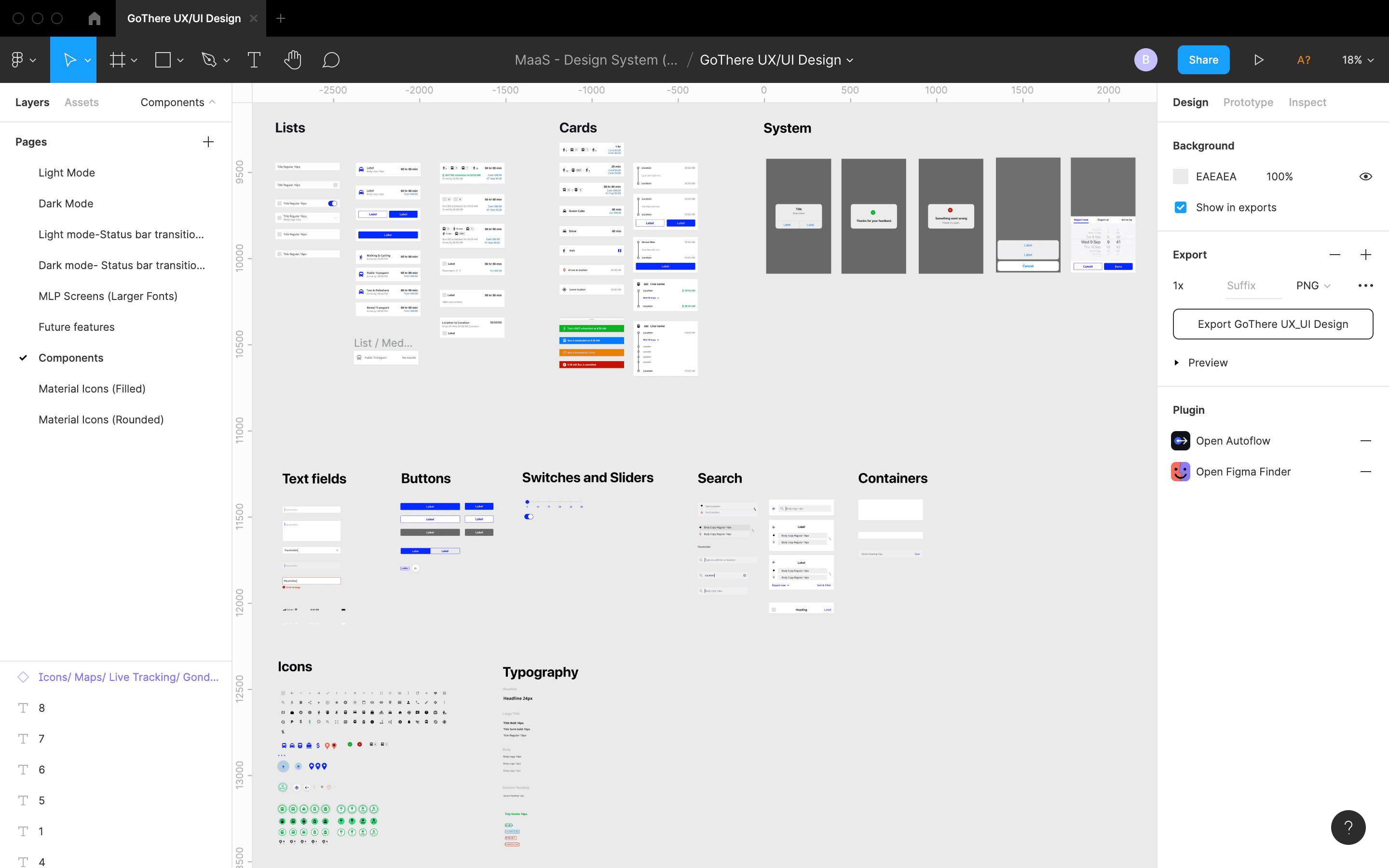
Reusable components and material library

Deliver phase

Key Learnings and Take aways
The key take away was to understand the different scenarios and produce ideas, test and iterate in fast paced setting.


